


 BACK TO LIVE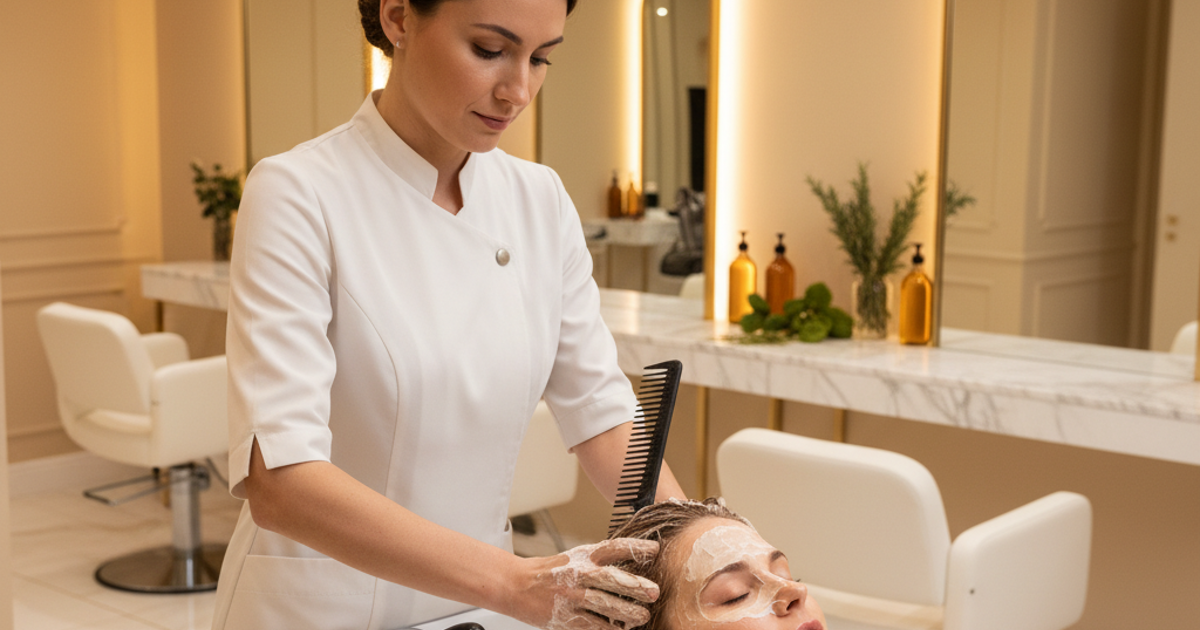
If you have been struggling with dry, brittle, or chemically treated strands, a hair spa for damaged hair could be the most effective solution you have not tried yet. Modern hair spa treatments go far beyond a simple scalp massage. They combine nourishing ingredients, professional-grade formulas, and expert techniques to reverse damage at a deeper level. In this guide, you will discover the most effective treatments available, what makes each one unique, and how to choose the right option for your hair type.
Key Takeaways
- A targeted hair spa for damaged hair can restore moisture, strengthen strands, and reduce breakage significantly, making professional care a worthwhile investment.
- Visiting a trusted hair repair salon ensures treatments are customized to your hair’s specific condition, from a deep conditioning treatment to protein therapy, for long-lasting and visible results.
- Consistent professional care combined with the right at-home routine is the key to maintaining healthy, resilient hair over time.
What Is a Hair Spa and Why Does Your Hair Need It?
A hair spa is a multi-step salon treatment designed to deeply cleanse, nourish, and repair damaged hair. Unlike a regular wash-and-condition routine, a professional hair spa uses therapeutic masks, steam, and scalp massages to allow active ingredients to penetrate the hair shaft. It addresses root causes of damage rather than just masking visible symptoms. According to the American Academy of Dermatology, heat styling, chemical processing, and environmental exposure are among the top contributors to hair damage, making periodic professional care essential for long-term hair health.
At a quality hair repair salon like Franck Provost, a hair spa typically begins with a thorough scalp and hair analysis. This step ensures the stylist selects the right combination of products and techniques tailored to your specific damage type, whether it is dryness, frizz, chemical overprocessing, or breakage. The result is a more targeted and effective treatment outcome.
Top Hair Spa Treatments for Damaged Hair
Not all hair spa treatments are created equal. Different types of damage call for different solutions, and understanding your options helps you make a confident decision when you visit the salon.
Deep Conditioning Treatment
A deep conditioning treatment is one of the most widely recommended solutions for hair that has lost moisture and elasticity. This treatment uses rich, emollient-based formulas that coat each strand from within, restoring softness and reducing brittleness. The process typically involves applying a conditioning mask to clean, damp hair, followed by steam or heat activation to help the product absorb deeply. The result is noticeably smoother, more manageable hair after just one session. For those dealing with frizz or dryness caused by hard water or heat styling, a deep conditioning treatment delivers immediate and visible improvement. Regular sessions at intervals of two to four weeks are recommended for maintaining results.
Protein and Keratin Repair Therapy
Hair is composed primarily of a protein called keratin, and repeated chemical treatments or heat exposure can deplete these protein bonds over time. Protein therapy works by infusing hydrolyzed proteins into the hair structure to rebuild strength and elasticity. This treatment is ideal for hair that feels limp, breaks easily, or has a gummy texture when wet. Many clients pair protein therapy with a deep conditioning treatment to balance moisture and strength simultaneously. A professional stylist can help you determine whether a full keratin smoothing service or a protein repair spa treatment is the better fit for your specific hair concerns.
Hot Oil Therapy
Hot oil therapy is a classic but deeply effective spa treatment that uses warmed natural oils to nourish both the scalp and hair shaft. Oils such as argan, coconut, or sweet almond are heated to an optimal temperature and massaged into the scalp and lengths. The warmth allows the oils to penetrate the hair cuticle more efficiently, sealing in moisture and adding a natural sheen. This treatment is particularly beneficial for people with a dry or flaky scalp alongside damaged hair. It also improves blood circulation in the scalp, which supports healthier hair growth over time. Hot oil therapy is a gentle option suitable for most hair types, including color-treated hair.
Scalp Detox and Rejuvenation
A healthy scalp is the foundation of healthy hair growth. A scalp detox treatment removes product buildup, excess sebum, and environmental pollutants that can clog hair follicles and slow down growth. This treatment uses specialized exfoliating scrubs or enzyme-based formulas to purify the scalp, followed by a calming serum to restore balance. When the scalp environment is clean and nourished, subsequent hair spa treatments become significantly more effective. For those visiting a hair repair salon for the first time, a scalp detox is often recommended as a preparatory step before deeper repair therapies. You can explore more about the ultimate guide to reviving dry, brittle hair to understand how scalp care connects to overall hair restoration.
Customized Hair Mask Treatments
Customized hair masks are formulated based on a detailed hair analysis conducted by a professional stylist. These masks may combine hydrating agents, antioxidants, strengthening proteins, and soothing botanical extracts in a unique ratio suited to your damage profile. Unlike over-the-counter masks, salon-grade formulas contain higher concentrations of active ingredients, delivering results that are noticeably more potent. A professional stylist at a premium hair spa for damaged hair will layer these masks strategically, sometimes combining two or more products for a synergistic effect. Regular customized mask sessions can dramatically reduce split ends, improve shine, and prevent further breakage with consistent use.
How to Choose the Right Hair Spa Treatment
Selecting the right treatment depends on the type and severity of damage your hair has experienced. Here is a simple framework to guide your decision:
- Dry and frizzy hair: Start with a deep conditioning treatment or hot oil therapy for immediate moisture restoration.
- Chemically treated or color-processed hair: Protein therapy combined with a hydrating mask helps rebuild structure and prevent further breakage.
- Thinning or slow-growing hair: A scalp detox followed by a rejuvenating serum addresses the root cause of sluggish growth.
- General maintenance: Regular customized mask sessions every three to four weeks keep hair in peak condition year-round.
Always consult with a professional before deciding on a treatment plan. A skilled stylist at a reputable hair repair salon can assess your hair’s porosity, texture, and damage level before recommending the most suitable approach. You can learn more about the full range of available services at Franck Provost’s services page to understand what premium hair care looks like in practice.
What to Expect During a Professional Hair Spa Session
Walking into a professional hair spa session for the first time can feel overwhelming if you do not know what to expect. Here is a typical step-by-step breakdown of how a high-quality session unfolds at a premium salon:
- Consultation: Your stylist evaluates your scalp and hair condition and discusses your concerns and goals.
- Cleansing: A clarifying shampoo removes buildup and prepares the hair cuticle for treatment absorption.
- Treatment application: The selected mask, oil, or protein formula is applied evenly from roots to ends.
- Steam activation: Steam opens the hair cuticle, allowing active ingredients to penetrate more deeply into each strand.
- Scalp massage: A relaxing massage improves circulation and encourages nutrient absorption at the follicle level.
- Rinse and finishing: The treatment is rinsed out and a light serum or finishing spray is applied to seal the cuticle and enhance shine.
The entire session typically takes between 60 and 90 minutes. Most clients notice a visible difference in texture and manageability immediately after their first appointment.
Maintaining Results Between Salon Visits
Getting a professional treatment is only part of the equation. Maintaining results at home is equally important for lasting improvement. Use sulphate-free shampoos that do not strip away the moisture or protein infused during your salon session. Limit the use of heat styling tools and always apply a heat protectant before blow-drying or straightening. Incorporate a weekly at-home conditioning mask to supplement your salon treatments. Drink enough water and maintain a balanced diet rich in biotin, vitamin E, and omega-3 fatty acids, as internal nutrition directly impacts hair health. Combining professional care with a mindful home routine gives you the best chance of achieving genuinely healthy hair over time.
Conclusion
Damaged hair does not have to be a permanent condition. With the right combination of professional treatments and consistent home care, significant recovery is entirely achievable. Whether you choose a deep conditioning treatment, protein therapy, or a customized mask, every session at a skilled hair repair salon brings you closer to stronger, shinier, and more resilient hair. The journey starts with a single appointment and a thorough consultation with an expert stylist. If you are ready to restore your hair’s health and confidence, explore the premium hair spa for damaged hair services at Franck Provost and book your first session today.
Frequently Asked Questions
What is the best hair spa treatment for severely damaged hair?
For severely damaged hair, a combination of protein therapy and a deep conditioning treatment works best. This approach rebuilds structural strength while restoring lost moisture for balanced, healthier-looking hair after each session.
How often should I get a hair spa for damaged hair?
Most hair care professionals recommend a hair spa for damaged hair every two to four weeks. The exact frequency depends on your damage level, hair type, and the specific treatment used during each salon visit.
Is a deep conditioning treatment the same as a hair mask?
A deep conditioning treatment and a hair mask are similar but not identical. Deep conditioning typically involves heat activation and penetrates deeper into the hair shaft, while a standard mask may work at the surface level of each strand.
Can a hair spa help with hair loss or thinning?
A scalp-focused hair spa can support a healthier environment for hair growth by removing buildup and improving circulation. However, clinical hair loss should be evaluated by a dermatologist before pursuing any salon-based treatment plan.
What ingredients should I look for in a hair spa treatment?
Look for treatments containing keratin, argan oil, hyaluronic acid, hydrolyzed proteins, and panthenol. These ingredients repair the hair cuticle, restore elasticity, and lock in moisture effectively for visibly improved texture and strength.
Is a hair spa treatment safe for color-treated hair?
Yes, most professional hair spa treatments are safe for color-treated hair. In fact, they are highly recommended after coloring to restore moisture and protein lost during the chemical process and to help the color last longer.
How long do hair spa results last?
Results from a professional hair spa typically last between two and four weeks. Regular sessions combined with a sulphate-free shampoo and proper home care routine can significantly extend the benefits and improve overall hair condition.
What is the difference between a hair spa and a keratin treatment?
A hair spa focuses on nourishment and repair through masks and scalp care, while a keratin treatment specifically smooths and straightens the hair structure. Consult a stylist at a Franck Provost salon to determine which option suits your hair goals best.
Can I do a hair spa at home or should I visit a salon?
At-home options provide basic nourishment, but a professional hair repair salon uses clinical-grade formulas and steam technology that penetrate much deeper. Salon treatments deliver significantly stronger and longer-lasting results than most at-home alternatives.
How do I know which hair spa treatment is right for my hair type?
A professional consultation at a trusted salon is the most reliable way to identify the right treatment. Stylists assess your hair’s porosity, texture, and damage level to recommend a personalized plan suited to your specific condition.